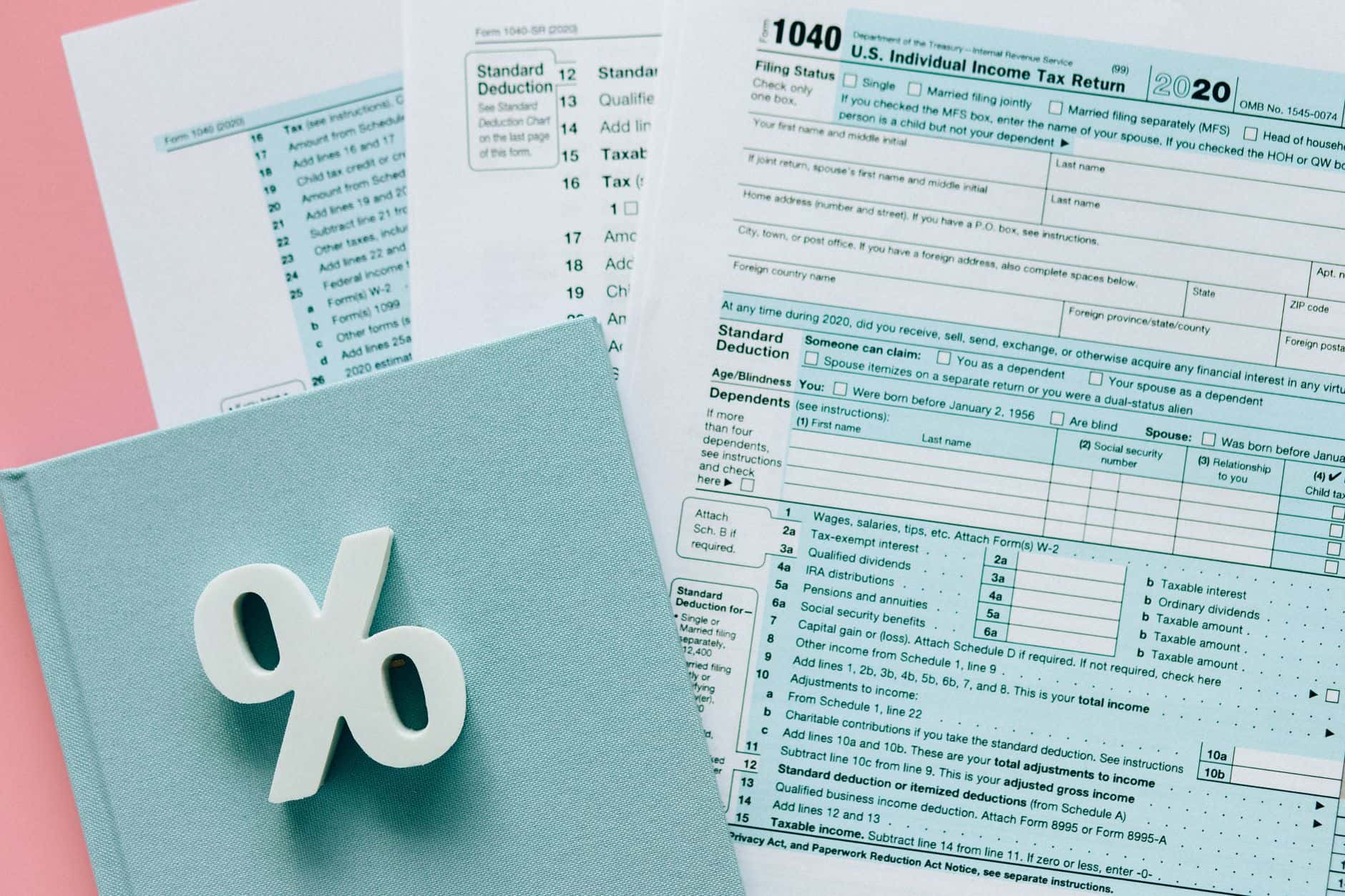
Why Automatic Tax Filing Fails Gig Workers and Fleet Owners in 2026
Why automatic tax filing fails gig workers and how to file past due 1099 taxes in 2026
You just finished a 60-hour week running logistics routes across three states. You open your laptop to handle your quarterly reporting. You hope the government's promise of easy, automatic tax filing will finally save you some time. That promise is dead. And its collapse leaves thousands of logistics professionals wondering how to file past due 1099 taxes without triggering massive IRS penalties.
According to Upwork's 2025 Freelance Forward report, 36.6 million gig workers contributed $1.27 trillion to the US economy last year. For these workers powering the American gig economy, the fantasy of a one-click tax return officially collided with reality this year. I watched this play out in real time. Headlines discussed Canada's CRA launching a 'SimpleFile Digital' automation pilot in March 2026. But that program strictly excludes anyone with complex self-employment income. Here in the US, the highly publicized IRS Direct File pilot was officially discontinued for the 2026 tax season. The Treasury Department (2025) confirmed the reasons were exactly what you might expect: low usage and high costs.
Roughly 30 million people who would have qualified to use the government system must now find alternative methods. But for gig workers, truckers, and independent contractors, losing a free government tool is a minor footnote. The real story is much more expensive. Relying on any basic automated software in 2026 practically guarantees you will overpay the IRS.
TL;DR: Important updates for 2026
- The IRS Direct File program is officially canceled for 2026. The focus shifts back to private sector solutions.
- The massive 'One Big Beautiful Bill' (OBBBA) introduced a $25,000 tip deduction for gig workers. DIY software struggles to allocate it properly.
- The federal 1099-K reporting threshold retroactively reverted to $20,000 and 200 transactions.
- Owner-operators can once again claim 100% bonus depreciation on qualifying work vehicles acquired after January 19, 2025.
The mirage of government automated tax filing
IRS Direct File was a pilot government software program intended to automate free tax return submissions. It was officially suspended for the 2026 filing season because of platform limitations. The idea that an algorithm could perfectly map a gig worker's fragmented income was always a stretch. When the government pulled the plug on its free automatic filing pilot in November 2025, officials acknowledged what logistics professionals already knew.
Treasury Secretary Scott Bessent put it clearly: "It wasn't used very much, and we think that the private sector can do a better job."
The infrastructure simply could not handle the reality of modern independent work. Former IRS Commissioner Daniel Werfel admitted that government automated tools were "not yet ready to accommodate" taxpayers holding a Schedule C or multiple 1099s. This leaves a massive void for delivery drivers and fleet owners. They need a reliable tax filing service that actually understands their operating costs.
How to file past due 1099 taxes when free automation fails in 2026
Filing past due returns requires manual reconstruction of mileage logs and expense receipts that basic software algorithms simply ignore. Basic software relies on standard deduction paths. When major legislative shifts happen, these tools lag behind. The result? Thousands of dollars left on the table. Gig workers require human-led expertise this year for four primary reasons:
- Missing the $25,000 tip deduction. DIY software often fails to properly segment and apply the new OBBBA 'No Tax on Tips' deduction for rideshare and delivery drivers.
- Fumbling 100% bonus depreciation. Basic platforms frequently default to standard five-year depreciation schedules. They entirely ignore the fully restored first-year deduction for heavy vehicles acquired after January 19, 2025.
- Mishandling permanent QBI. Automated tools consistently miscalculate the now-permanent 20% Qualified Business Income deduction for Schedule C sole proprietors.
- Triggering AI audit flags. Generic software cannot distinguish between a legitimate home office deduction for a logistics dispatcher and a high-risk tech deduction. This frequently fails to defend against automated IRS scrutiny.
If you want a deeper look at what triggers these flags, we mapped out the exact scenarios in our guide on The W2 to 1099 switch.
Managing the OBBBA rule changes for gig workers
The passage of the 'One Big Beautiful Bill' (OBBBA) in July 2025 completely rewrote the playbook for independent contractors. It brought massive new benefits. That is, provided you know how to claim them.
OBBBA is the sweeping 2025 legislative act that fundamentally altered independent contractor tax laws by introducing significant tip deductions and restoring 100% vehicle bonus depreciation. The most talked-about change is the 'No Tax on Tips' deduction. Eligible gig workers (including Uber, Lyft, and DoorDash drivers) can now deduct up to $25,000 in qualified tips out of their taxable income each year per return between 2025 and 2028. But there is a massive catch regarding documentation.
"Even if reporting forms do not separately identify tip income in 2025, the total income must still include those tips," notes Kelly Phillips Erb, Senior Writer at Forbes. "In other words, you cannot deduct what you have not clearly reported."
For truckers and fleet owners, the OBBBA delivered an equally massive win. 100% bonus depreciation was fully restored. If you acquired a qualifying heavy work vehicle after January 19, 2025, you can deduct the full cost in the first year of use. This single provision turns a standard business tax planning service for owner operators into a tool that can legally erase thousands in tax liability.
The 2025 vs 2026 tax rules for contractors
| Tax Provision | 2024 / Early 2025 Rules | Current 2026 Rules (Post-OBBBA) | |:, - |:, - |:, - | | 1099-K Threshold | $600 (ARPA rule) | $20,000 and 200 transactions | | 1099-NEC Threshold | $600 | $2,000 | | Bonus Depreciation | 60% phase-down | 100% restored (post Jan 19, 2025) | | Tip Income | Fully taxable | Up to $25,000 deductible | | QBI Deduction | Set to expire | Made permanent |
Phantom thresholds and the 1099 confusion
According to a 2026 survey by Avalara, 73% of gig workers cannot identify the correct 1099-K reporting threshold. This leads to massive non-compliance. The reporting limits for gig platforms have created a whirlwind of confusion. The OBBBA retroactively reverted the federal 1099-K reporting threshold back to $20,000 and 200 transactions for the 2025/2026 filing season, reversing the deeply unpopular $600 rule.
Maya Rodriguez, Director of Tax Research at the Center for Independent Workers, explains the situation bluntly. "The real danger of the 2026 gig economy isn't the tax rate, it is the compliance complexity. Software builds assumptions based on traditional W2 income, leaving independent contractors completely exposed to automated audits."
Simultaneously, the reporting threshold for 1099-NEC and 1099-MISC forms increases to $2,000 (up from the previous $600 rule) starting in the 2026 tax year. This reduces administrative burdens for companies hiring freelancers. But it creates a dangerous behavioral trap for workers.
Many contractors mistakenly believe that if they do not receive a 1099 form, the income is not taxable. This is entirely false. Every dollar of net profit is taxable, regardless of whether a platform mailed you a piece of paper. If you try to claim the $25,000 tip deduction without meticulously reporting the gross income first, your return will bounce back.
This exact discrepancy explains why so many contractors face penalties after missing important filing windows. If you find yourself caught in this trap, reviewing the rules for tax filing after the April 2026 deadline is your safest next step. You can also map out How to File Past Due 1099 Taxes in 2026: The Polymarket Phantom Income Trap.
Overcoming the fear of unfiled returns
Nearly 300% more taxpayers faced penalties for underpaid estimated taxes over recent years, according to a Fox Business review of IRS data (2024). When paperwork piles up, paralysis sets in. We speak with logistics professionals every week who say: "i have not filed taxes in years where do i start?" The anxiety of digging up old records prevents them from fixing the problem.
The IRS is actually highly accustomed to resolving back taxes, provided you approach them proactively. Ignoring the problem guarantees automated penalties. Partnering with a 1099 tax filing professional changes the dynamic entirely. Instead of fighting the IRS alone, you have an advocate. They can recreate lost mileage logs, reconstruct expenses, and use a past year tax return amendment service to bring you into compliance safely.
Having proper representation also unlocks access to complete audit protection services. This ensures that if your historical returns are questioned, you have a human expert handling the correspondence. We discussed exactly how proper financial tracking prevents these issues in our breakdown of The Hidden ROI of Bookkeeping Services for Owner-Operators in 2026.
Specialized support for diverse logistics founders
Research by H&R Block Canada (2026) reveals that 29% of gig workers globally risk significant tax penalties by failing to properly structure and report their complex income. The logistics industry runs on the hard work of diverse communities. Yet, the majority of tax software assumes the user is a native English speaker with a standard financial background. This disconnect leads to serious errors, particularly around entity structuring and state-level corporate transparency compliance.
Managing corporate entity rules and specialized fleet deductions requires a human touch. That is why finding the best tax prep for immigrant founders usually means abandoning DIY software altogether. You need an advisor who can explain complex U.S. Tax codes clearly. You also need dedicated tax preparation for immigrants that respects the unique financial challenges of starting a transportation business in a new country. Those seeking price predictability often rely on the best fixed price business tax prep services to bypass the anxiety of hourly billing.
Algorithms do not care if you overpay. Software will not call you to suggest buying a new rig before December 31st to claim bonus depreciation. And a discontinued government website certainly will not defend your home office deduction.
The era of relying on automated freebies is over. Protecting your logistics income in 2026 requires human expertise.
Frequently asked questions
How do I file taxes as a 1099 gig worker in 2026? Filing as a 1099 worker in 2026 requires calculating your gross income across all platforms, even if you did not receive a 1099-K. According to Avalara (2026), 73% of gig workers are currently confused by reporting thresholds, making meticulous manual tracking essential. You must file a Schedule C to report your business income and deduct allowable expenses, including the new OBBBA $25,000 tip deduction and permanent QBI. Given the discontinuation of IRS Direct File, working with a specialized tax professional is highly recommended.
Why was IRS Direct File cancelled for 2026? The IRS Direct File program was officially discontinued for the 2026 season because of a combination of high operational costs and low user adoption among complex filers. The Treasury Department (2025) confirmed that the private sector is better equipped to handle tax preparation, particularly for the 36.6 million gig economy workers whose Schedule C requirements were excluded by the automated tool.
What is the new 1099-K reporting threshold for 2026? The federal reporting threshold for Form 1099-K in 2026 is $20,000 and 200 transactions. This was retroactively reverted by the 'One Big Beautiful Bill' (OBBBA) in July 2025, canceling the previously planned drop to $600. However, you must still report all income earned, regardless of whether a platform issues you a 1099-K.
How does the $25,000 tip deduction work for rideshare drivers? The OBBBA introduced a 'No Tax on Tips' provision allowing eligible gig workers to deduct up to $25,000 in qualified tips out of their taxable income annually between 2025 and 2028. To claim this, drivers must accurately report their total gross income (including all tips) on their return before applying the specific deduction to lower their taxable burden.
How do I file past due 1099 taxes safely? Filing past due 1099 taxes safely requires gathering historical bank statements and recreating lost mileage logs before submitting backdated Schedule C forms. The IRS reports that penalties for underpaid estimated taxes recently surged 300% (Fox Business, 2024). This steep risk makes it vital to work with a tax professional who can offer expert penalty abatement and compliance services.
Ready to optimize your tax strategy?
Our IRS-authorized experts specialize in complex tax preparation for owner-operators, gig workers, and small businesses.
Schedule Your Consultation