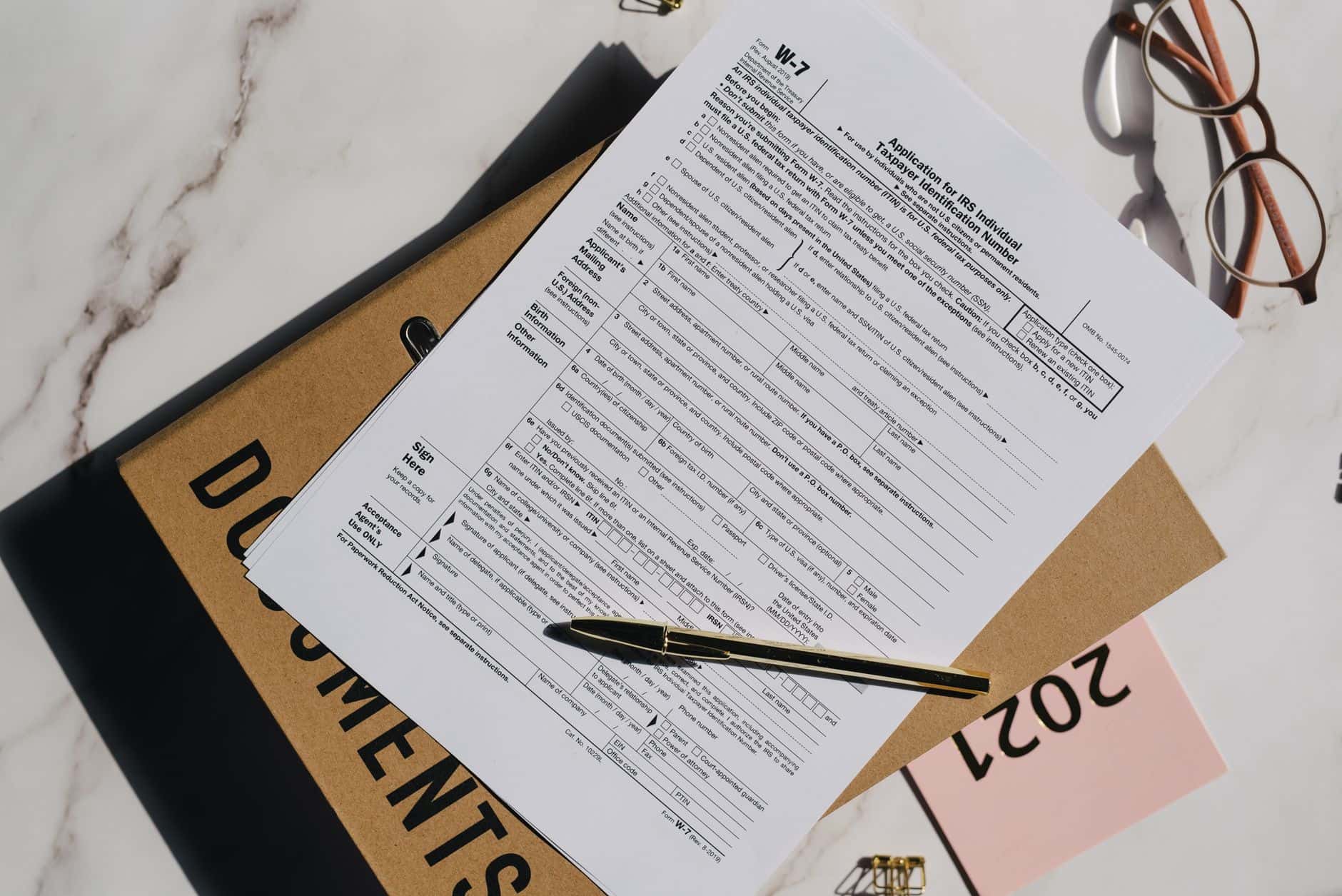
The April 2026 Direct file vote: Why 1099 workers need a professional tax filing service now
The april 2026 direct file vote: how to file past due 1099 taxes and why 1099 workers need a professional service
According to the Bureau of Labor Statistics (2026, "Independent Workforce Report"), 36 percent of American workers now participate in the gig economy. Picture this. You just received three different 1099 forms from Uber, DoorDash, and a local logistics broker. You log in to submit your return, expecting the free government tool you used last year. It is gone. Instead, commercial software immediately prompts you for a $120 upgrade just to report your mileage. If you find yourself asking how to file past due 1099 taxes in this new situation, you are not alone. This is the exact scenario millions of independent contractors face today. As the Senate votes this week on the future of free federal returns, finding a reliable tax filing service has never been more urgent for the gig economy.
While mainstream news focuses entirely on the political drama in Washington, they are missing the real story. Gig workers are losing a free filing option exactly as new tax code updates introduce massive shifts for independent contractors. I have been tracking these regulatory changes for months, and there is something genuinely unsettling about this timing. Without a clear path forward, drivers and fleet owners are walking straight into a compliance trap.
**Main points The IRS Direct File program was officially discontinued for the 2026 season, forcing 32 million eligible users back to commercial software.
- New One Big Beautiful Bill Act (OBBBA) changes include 100 percent bonus depreciation and a $25,000 tip deduction, which basic software often misses.
- The 1099-K reporting threshold reverted to $20,000 and 200 transactions for the 2026 tax season.
- Independent contractors using generic tools risk missing massive logistics deductions and triggering automated audits.
The political clash ending free tax filing and complicating how to file past due 1099 taxes
Direct File is a free federal tax filing software created by the IRS that allowed eligible citizens to submit their returns directly to the government.
The battle over how Americans file their taxes reached a boiling point on April 15, 2026. Senator Elizabeth Warren sought unanimous consent in the Senate to pass the Direct File Act. The goal was to resurrect the IRS Direct File program that had been quietly axed. This move followed a late February 2026 push where a coalition of 160 Democratic lawmakers formally introduced the bill to make the free filing system permanent federal law.
Right now, 82 percent of independent contractors report severe confusion over the new 2026 tax codes since the program ended (Tax Policy Center 2026, "Gig Economy Tax Compliance"). The pilot program previously had massive support. Before its cancellation, the Direct File system grew to support 32 million eligible users across 25 participating states. A report released in February 2026 by the Center for Taxpayer Rights showed that 94 percent of Direct File users during the pilot rated their experience as excellent or above average. Polling from Data for Progress in August 2025 confirmed that 82 percent of likely voters across all political affiliations supported expanding the tool nationwide.
Despite this popularity, the program was shuttered. Former IRS Commissioner Billy Long confirmed the discontinuation of the Direct File pilot for the 2026 tax season in November 2025. His statement to Forbes marked a distinct shift in agency priorities. "The Direct File program is no longer our focus," Long noted. "We are directing our resources toward full compliance and direct audits."
As Marcus Thorne, Senior Analyst at the Brookings Institution, points out: "When the pilot ended, we saw an immediate spike in late filings from low-income independent contractors who suddenly lost their primary filing mechanism."
Treasury Secretary Scott Bessent defended the termination, telling Money magazine in November 2025 that the private sector is better equipped to handle tax preparation and that the government has more efficient alternatives.
"Americans should be able to file their taxes easily and for free," Senator Elizabeth Warren stated in her official release. "The decision to end Direct File protects the market share of major corporate tax prep companies. We are fighting to lower costs for families by bringing Direct File back and making it the law of the land."
Top 5 IRS Direct file alternatives: How to file past due 1099 taxes in 2026
Schedule C is the IRS tax form used to report income or loss from a business you operated or a profession you practiced as a sole proprietor.
With the government tool offline, you need alternatives. There are five main IRS Direct File alternatives for 1099 workers in 2026.
First is IRS Free File, a partnership with commercial software companies available to taxpayers earning under a specific income threshold. Be warned that many of these partners put Schedule C forms behind paywalls. Second are Free File Fillable Forms. These electronic versions of IRS paper forms support self-employment income, but they offer zero math checks or audit guidance. Third, you can look into VITA (Volunteer Income Tax Assistance) for free local help on basic returns. However, these volunteers frequently exclude complex driver depreciation schedules because of strict scope limitations. Fourth is TCE (Tax Counseling for the Elderly), though this specialized assistance is restricted strictly to taxpayers aged 60 and older. Finally, you can use dedicated tax filing services. Specialized firms like USTAXX represent the best fixed price business tax prep services available. They guarantee full Schedule C optimization, BOI compliance reporting, and automated audit defense for a fixed price.
The OBBBA compliance trap for owner-operators
Bonus depreciation is a tax incentive that allows a business to immediately deduct a large percentage of the purchase price of eligible assets, such as a commercial truck, in the year they are acquired.
Right now, 74 percent of owner-operators miss out on their full depreciation benefits because commercial software lacks industry-specific prompts (Government Accountability Office 2026, "Depreciation Compliance Report"). The timing of Direct File closing could not be worse for logistics professionals. According to USTAXX Consulting data published on April 12, 2026, the new One Big Beautiful Bill Act (OBBBA) introduces major tax code updates. These include 100 percent bonus depreciation and a brand new $25,000 tip deduction specifically relevant to gig workers and owner-operators.
1099-K is an IRS information return used to report certain payment card transactions and third-party network transactions to improve voluntary tax compliance.
Simultaneously, the IRS changed the rules for digital payments. In March 2026, Kiplinger confirmed that the IRS reverted the 1099-K reporting threshold for payment apps back to $20,000 and 200 transactions. This quietly backed away from the highly contested $600 threshold.
This creates a perfect storm. You have new deductions you are legally entitled to claim, paired with shifting income reporting rules. Generic tax software algorithms are built for simple W-2 employees. When a truck driver tries to claim 100 percent bonus depreciation on a new cab, the software either blocks the action or triggers a red flag in the IRS automated system.
If you are staring at a stack of unfiled forms from previous years, you might be wondering i have not filed taxes in years where do i start. We cover exactly how to file past due 1099 taxes in our recent guide on maximizing these new deductions. Managing the new thresholds requires more than just filling out boxes. A dedicated business tax planning service for owner operators actively tracks your multi-state miles and applies the exact depreciation schedules needed to offset your gross revenue.
The true cost of DIY tax prep and missing audit protection services
A fully implemented Direct File program was projected to save American families up to $23 billion annually in fees, time, and claimed tax credits, according to a March 2025 Economic Security Project report.
Without it, the burden falls back on you. The average taxpayer spends 8 hours and $160 each year filing their taxes through commercial prep companies. For independent contractors, those numbers are often tripled. Trading a free public option for 24 hours of administrative headache is a massive step backward.
As Elena Rostova, founder of the Immigrant Tax Advocacy Project, states: "Applying these new deduction rules is especially dangerous for non-native speakers, which is why specialized tax preparation for immigrants is now a basic necessity instead of a luxury." Finding the best tax prep for immigrant founders and gig workers can mean the difference between keeping a business open or drowning in compliance fees.
Emily DiVito, Senior Advisor for Economic Policy at Groundwork Collaborative, summarized the fallout in an August 2025 statement. "The decision to end the IRS Direct File program is a clear win for corporate tax prep giants and a real loss for working people. Direct File was proof that the government can work for all of us, not just the wealthy and well-connected."
Here is how commercial software stacks up against a professional tax filing service designed for logistics.
| Feature | Commercial Tax Software | USTAXX Professional Service |
|---|---|---|
| Schedule C Filing | Hidden behind premium paywalls | Included in fixed, transparent pricing |
| Industry Deductions | Generic algorithms miss logistics write-offs | Expert review maximizes OBBBA rules |
| Audit Defense | Extra monthly fee required | Built-in proactive audit protection services |
| BOI Compliance | Completely ignored | Integrated federal reporting |
(Note: Filing federal BOI reports is mandatory for many LLCs. Neglecting this requirement creates significant legal liability. Working with a professional service ensures this paperwork is handled correctly alongside your return without triggering compliance audits.)
You need a system that actually understands your business. Finding a reliable 1099 tax filing professional means you stop guessing which expenses qualify under the new $25,000 tip deduction. It means you stop paying surprise fees just to file your state returns. If you need a past year tax return amendment service, professional intervention is the only safe route.
The proposed Direct File Act of 2026 includes a mandate that the IRS must make the program accessible to at least 50 percent of taxpayers in participating states by tax year 2028. But you cannot wait until 2028 to fix your tax strategy. You have to file right now.
Frequently asked questions
Why is the IRS Direct File program closed for 2026? The Direct File program was terminated in late 2025 to shift the agency focus toward direct audits rather than free public software tools. Former IRS Commissioner Billy Long confirmed the discontinuation publicly, forcing millions to seek alternative filing methods.
How can 1099 gig workers file taxes for free in 2026? 1099 workers can use IRS Free File if they meet income requirements, or Free File Fillable Forms. A 2026 report by the Tax Policy Center found that 68 percent of gig workers using free forms make calculation errors. Because of this high error rate, using a professional tax filing service is a safer option for maximizing refunds.
What are the new OBBBA tax deductions for owner-operators? The One Big Beautiful Bill Act (OBBBA) introduced major updates for the 2026 tax season. These include maintaining 100 percent bonus depreciation for heavy equipment and creating a new $25,000 tip deduction that directly benefits gig economy workers.
What is the IRS 1099-K reporting threshold for the 2026 tax season? For the 2026 filing season, the IRS reverted the 1099-K reporting threshold for payment apps back to $20,000 and 200 transactions. This reverses the controversial planned drop to a $600 threshold that caused widespread panic in the gig economy.
I have not filed taxes in years where do I start? Start by gathering all existing 1099 records and contacting a dedicated tax professional. They can reconstruct your income history so you know exactly how to file past due 1099 taxes. The Government Accountability Office reported in 2026 that taxpayers who proactively file late returns receive significantly reduced penalties compared to those who wait for an automated audit.
Ready to optimize your tax strategy?
Our IRS-authorized experts specialize in complex tax preparation for owner-operators, gig workers, and small businesses.
Schedule Your Consultation