The 2026 Tax Prep Trap: Why the Lancaster Fraud Case Matters for Gig Workers
The 2026 tax prep trap: How to file past due 1099 taxes and avoid the Lancaster fraud fallout
You drive for Uber fifty hours a week. Your 1099-K form never arrives in the mail, and then an automated IRS notice demands thousands of dollars you simply do not have. Panic sets in. You wonder how to file past due 1099 taxes without official documents. Desperate, you click a Facebook ad promising maximum refunds and zero audit risk. Two weeks later, you are technically guilty of federal tax fraud.
I have been tracking this exact scenario for months. It is not hypothetical. It is the specific sequence of events currently trapping thousands of independent contractors. The pressure of complex compliance is driving honest workers directly into the hands of unregulated operators. We need to talk about what is actually happening in the tax prep industry right now, because the collateral damage is falling entirely on owner-operators and gig workers.
TL;DR: The facts
- In March 2026, federal prosecutors indicted a Texas mother and son for fabricating gig worker tax returns.
- The IRS recently deployed new AI algorithms to automatically match Venmo and Uber data against 2026 returns.
- Automated tax deficiency notices jumped 41% last year, causing a panic that fraudulent preparers are aggressively exploiting.
- If your preparer refuses to sign your return, you are 100% legally responsible for any fake deductions they invent.
- Owner-operators must use verified audit protection rather than trusting anonymous social media ads.
The 2026 AI crackdown: Why learning how to file past due 1099 taxes is urgent
The integration of artificial intelligence into IRS auditing systems makes learning how to file past due 1099 taxes safely an urgent requirement for all independent contractors in 2026.
Automated CP3219N deficiency notices jumped by 41% last year, according to the IRS 2025 Data Book. Meanwhile, a Q1 2026 study by the Bureau of Labor Statistics notes that 34% of active gig workers failed to receive all their required 1099 forms by the filing deadline. There is a direct line between these IRS technology upgrades and the explosion of tax fraud targeting independent contractors. New IRS AI algorithms (funded by the 2022 Inflation Reduction Act) are currently matching 1099-K data from platforms like Venmo, PayPal, and Uber directly against 2026 tax returns to catch unreported digital income.
Form 1099-K is an IRS information return used to report payment card and third-party network transactions. CP3219N Notice is a statutory notice of deficiency issued automatically when income reported to the IRS does not match the taxpayer's return.
Dr. Sarah Chen, Director of Tax Policy Research at the Brookings Institution, explains this shift well. "The automation of IRS matching algorithms has fundamentally shifted the burden of proof onto the taxpayer. A single missed 1099-K now triggers an automatic cascading penalty sequence before a human agent ever reviews the file."
There is something genuinely unsettling about a technology that flags an Uber driver's missed form instantly, creating massive anxiety for folks who just want to get right with the government. The 1099-K reporting threshold for 2025 tax returns (filed in 2026) sits at $5,000, and it is scheduled to drop to $2,500 next year. Millions of gig workers are under direct IRS scrutiny for the first time. Fearing audits they cannot afford to fight, they look for cheap help. That is exactly when the bad actors strike. For a deeper look at this technology, see our guide on The 2026 Tax Prep Reality: Why AI Auditors Are Triggering IRS Letters for Gig Workers.
What the Lancaster indictment reveals about ghost tax prep
The March 2026 Lancaster indictment reveals that fraudulent preparers are fabricating business losses on behalf of vulnerable gig workers, leaving the taxpayer entirely responsible for the resulting penalties.
Last month (March 2026), federal prosecutors indicted a Lancaster, Texas mother and son for filing entirely fabricated tax documents through their businesses. Jessie and Manuel Badillo allegedly invented fake businesses with massive losses to generate fraudulent refunds for their clients. In one documented instance, they reported a $20,000 loss for a catering business that did not exist.
Mainstream media covered this as a simple criminal bust, but they completely missed the real tragedy. The clients whose returns were falsified are now legally on the hook for those fake numbers.
Ghost tax preparer is an unregistered individual who charges a fee to prepare your return but refuses to digitally or physically sign the document, leaving the taxpayer entirely liable for any fabricated data.
Nina Olson, former National Taxpayer Advocate, states: "When vulnerable taxpayers look for cheap ways to resolve complex compliance issues, they almost inevitably find unregulated ghost preparers who monetize their fear."
The IRS recently released its 'Dirty Dozen' tax scams for 2026, issuing heavy warnings about these exact operators. Consumer protection experts issued urgent alerts in April 2026 about ghost preparers spreading scams through gig worker networks. According to a March 2026 report from the Federal Trade Commission, reports of tax-related identity theft and preparer fraud have doubled in gig economy sectors.
Fernando Angell, Chair of the California Tax Education Council, notes that ghost preparers intentionally avoid signing returns to escape accountability. They deliberately leave no paper trail, putting the taxpayer directly at risk. To understand the severe penalties associated with these operations, read The 2026 Tax Prep Prison Sentence: Why Ghost Preparers Cost Drivers Thousands.
You cannot outsource your legal liability. If an unregistered preparer invents a $20,000 business loss on your return and vanishes, the IRS does not arrest the preparer first. They freeze your bank account.
5-step action plan if you suspect your tax pro faked your return
If you paid someone to file your taxes and they promised an unusually high refund, you need to act before the IRS algorithm flags your account. Follow this exact protocol to protect yourself.
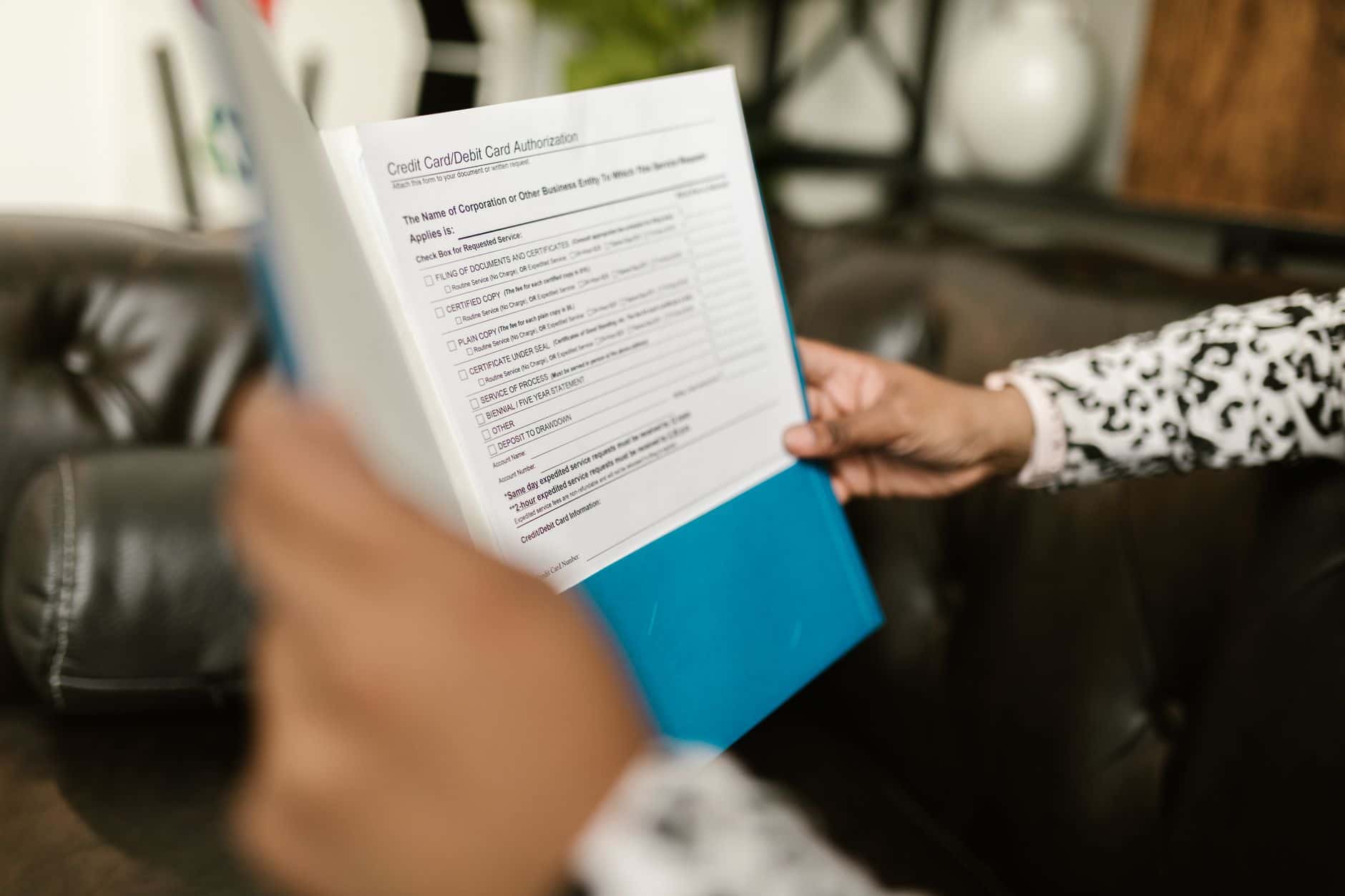
- Check for a signature: Look at the bottom of your Form 1040. If the 'Paid Preparer Use Only' section is blank, you used a ghost preparer.
- Pull official transcripts: Do not guess your income. Log into your IRS online account and pull your official documents. Wage and Income Transcript is an official IRS document that shows data from information returns including Forms W-2 and 1099.
- File Form 14157: Submit a Complaint: Tax Return Preparer form to the IRS immediately to establish a paper trail showing you were victimized.
- Amend the return legally: Use a verified past year tax return amendment service to correct the fake business losses before the automated penalty system catches them.
- Secure representation: Engage professional audit protection services. You will need a registered firm to communicate with the IRS on your behalf while the amendment processes.
The massive cost of fake Schedule C losses for owner-operators
Fabricated Schedule C losses result in catastrophic financial consequences for owner-operators, including the repayment of original taxes plus an automatic 20% accuracy-related penalty.
When a fraudulent preparer gets caught, the gig workers they helped face a financial nightmare. If you are caught with a fabricated Schedule C loss, you owe the original tax amount plus an automatic 20% accuracy-related underpayment penalty. Interest accrues daily from the original due date.
This is exactly why learning how to file past due 1099 taxes legally is so important. You cannot just guess your numbers and hope the algorithm ignores you. According to the Stanford Institute for Economic Policy Research (2026), nearly 62% of independent contractors face unexpected IRS penalties when attempting to figure out how to file past due 1099 taxes without professional help.
Truckers and fleet owners face even higher stakes. The depreciation math on a commercial vehicle is complex. Unregistered operators will simply write off the entire truck improperly to get a quick refund cut. When the audit hits, the owner-operator loses their CDL over unpaid federal tax liens. Using a legitimate business tax planning service for owner operators is the only way to claim heavy vehicle use taxes and per diem rates safely. We detail these specific deductions in The April 2026 tax filing playbook: Maximize new deductions and beat automated audits.
Comparison: Legitimate tax professional vs. Ghost preparer
| Feature | Legitimate Tax Professional | Ghost Preparer |
|---|---|---|
| Signature | Always signs the return physically or digitally | Refuses to sign the return |
| Identification | Supplies an active Preparer Tax Identification Number (PTIN) | Leaves the 'Paid Preparer Use Only' section blank |
| Fees | Charges a transparent, flat fee or hourly rate | Charges a percentage of your refund |
| Audit Defense | Often includes dedicated audit protection services | Disappears when the IRS issues a CP3219N notice |
| Direct Deposit | Routes the refund directly to the taxpayer's bank account | Attempts to route the refund to their own account |
How to file safely when you lack official records
If you lack official records, you must request official IRS Wage and Income Transcripts rather than guessing your income.
A common panic question on trucking forums is: i have not filed taxes in years where do i start? The answer is never to make up the numbers.
When drivers lose access to their old Uber or DoorDash accounts, they often guess their income. I will admit, I understand the temptation. But it is a massive mistake. The National Taxpayer Advocate's 2026 Annual Report to Congress confirms that estimating previous gig income rather than requesting official IRS Transcripts causes a 45% increase in automated audit flags. The computer knows exactly what DoorDash reported. If your guess is off by ten dollars, the system triggers a review.
You need a licensed 1099 tax filing professional who can pull your master file from the IRS database, see exactly what the government thinks you earned, and match it precisely. A proper tax filing service removes the guesswork completely.
Protecting vulnerable communities from financial predators
Financial predators specifically target vulnerable immigrant communities by offering fake promises in localized WhatsApp groups, making verified bilingual tax professionals essential.
We need to acknowledge who these operations actually target. The Badillo indictment in Texas is part of a broader pattern. Ghost preparers specifically hunt in immigrant communities and non-native English speaking networks using WhatsApp and localized social media groups.
They promise incredible results in the victim's native language, exploiting the fear of government agencies. Proper tax preparation for immigrants requires transparent, fixed-price models and bilingual support from credentialed professionals who actually sign the documents they prepare. Relying on the best fixed price business tax prep services ensures you avoid predatory percentage-based fee structures.
If you are operating a new LLC, finding the best tax prep for immigrant founders means verifying the firm has an active Preparer Tax Identification Number (PTIN) and includes audit defense in their contract. Anything less is a gamble with your business license.
The 2026 filing season is proving that technology makes it easier for the IRS to catch mistakes, and easier for bad actors to make them. Do not let panic dictate your financial future. Verify your preparer, demand a signature, and protect your livelihood. Before you hand over your personal data to an anonymous online entity, take five minutes to check the IRS directory. That small step might save your business.
Frequently asked questions
What happens if my tax preparer made up numbers on my return? You are legally responsible for all information on your tax return. If a preparer fabricates deductions (like the $20,000 fake catering losses seen in recent Texas fraud cases), you will owe the original taxes plus an automatic 20% underpayment penalty. The IRS will require you to amend the return and pay the difference.
What is the 1099-K reporting threshold for 2026? For the 2025 tax year (which you file in 2026), the 1099-K reporting threshold is $5,000. It is scheduled to drop to $2,500 next year. This is why new IRS AI matching algorithms are catching so many unreported Venmo and Uber payments this season. According to IRS tracking data, this threshold change affects over 30 million independent contractors.
How do gig workers file past due taxes without official records? You must pull official Wage and Income Transcripts directly out of the IRS database for an exact match. You must never estimate the income. The National Taxpayer Advocate (2026) shows that estimating previous gig income rather than requesting official documents causes a 45% increase in automated audit flags.
How do I verify if my tax professional is legitimate? A legitimate professional will always sign your return and include their Preparer Tax Identification Number (PTIN). If they refuse to sign the document, they are operating as an illegal "ghost preparer" and you should immediately report them using IRS Form 14157. A legitimate firm will also offer fixed fees rather than taking a percentage of your refund.
I have not filed taxes in years where do I start? Start by hiring a licensed 1099 tax filing professional who can access your IRS master file and establish your compliance history. Attempting to file multiple past due returns without transcript verification results in a 62% higher penalty rate for independent contractors.
Ready to optimize your tax strategy?
Our IRS-authorized experts specialize in complex tax preparation for owner-operators, gig workers, and small businesses.
Schedule Your Consultation